About Us
An environmental volunteer is a person who willingly contributes their time and effort to protect, conserve, and improve the natural environment without expecting financial reward. These volunteers play an important role in addressing environmental challenges such as pollution, deforestation, climate change, and loss of biodiversity.
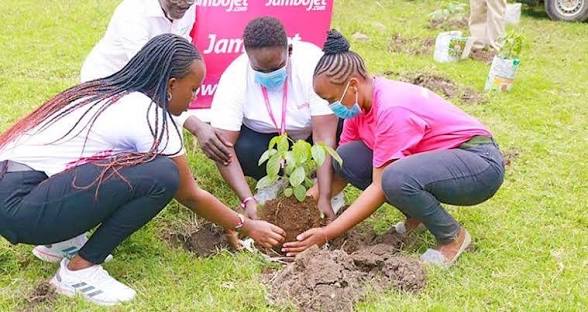
Environmental volunteers participate in various activities. They may join tree plantation campaigns, clean rivers and public spaces, promote recycling, or raise awareness about environmental protection in schools and communities. Some also work with organizations that focus on wildlife conservation, sustainable farming, or climate action projects.
One of the most important contributions of environmental volunteers is awareness-building. Many environmental problems continue because people are not fully informed about their impact. Volunteers help educate others through campaigns, workshops, and social media, encouraging responsible behavior such as reducing
Program at a glance
Why choose us?
Choosing environmental volunteering isn't just about helping the planet—it’s a meaningful investment in yourself, your community, and the future. Here’s why:
1. Direct, tangible impact
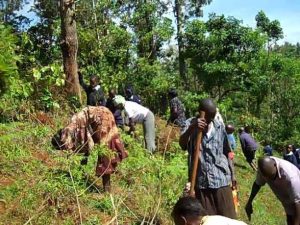
You’ll see results firsthand: planting trees that restore a forest, cleaning a river where fish return, or monitoring wildlife that benefits from your efforts. Unlike abstract climate anxiety, volunteering offers actionable, local change.
2. Boosts mental and physical health
Time in nature reduces stress, anxiety, and depression. Physical tasks like trail building or beach cleanups improve fitness, while the sense of purpose boosts overall well-being—often called “eco-therapy in action.”
3. Builds valuable skills
Gain experience in conservation, data collection, leadership, and project management. These are transferable to careers in sustainability, education, nonprofit work, or even corporate social responsibility.
4. Expands your community
Meet like-minded people—from local activists to internation
Requirements
Basics
· Minimum age 16–18 (12–15 with guardian)
· Completed application form
· Signed liability waiver
· Background check (for roles with minors only)
Physical
· Walk 3–8 miles on uneven terrain
· Lift 20–50 lbs (9–23 kg)
· Bend, kneel, stand for hours
· Work in heat, rain, or cold
Legal & Safety
· Valid ID (driver’s license or passport)
· Correct visa for international volunteering
· Up-to-date tetanus shot (plus others for wildlife/overseas)
· Own medical insurance
Volunteer experience
✅ Included
Bed & linens (except camping)
· Shared bathroom (often cold water only)
· Limited electricity or generator hours
· No WiFi or phone signal at remote sites
❌ Not included
· Sleeping bag (for camping or cold dorms)
· Towel & toiletries
· Headlamp
· Earplugs & eye mask
· Power bank
· Flip-flops for showers
Project Type Morning Task Afternoon Task Evening Task
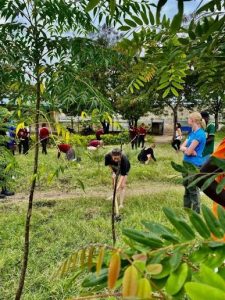
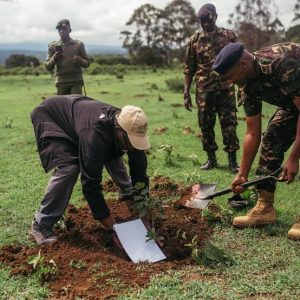
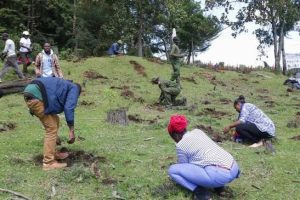
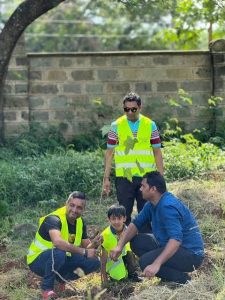
Reforestation Dig holes, plant seedlings Mulch, build tree guards Clean tools, count surviving trees
Beach cleanup Collect & sort trash Weigh debris, record data Rest (no night work typically)
Wildlife monitoring Track footprints, set cameras Enter data, maintain equipment Night walk for nocturnal species
Trail maintenance Clear brush, dig drainages Move rocks, install signs Gear repair, plan next section
Common types
· Dorm / bunkhouse – shared room (4–20 people), basic mattresses
· Camping – your own tent, pit latrines, no electricity
· Hostel-style – 2–6 per room, shared kitchen & lounge
· Homestay – private or shared room in local home, meals included
Typical meals
· Breakfast – oatmeal, bread, eggs, fruit, coffee/tea
· Lunch – packed sandwich, rice bowl, fruit, granola bar (eaten on-site)
· Dinner – rice, beans, lentils, pasta, vegetables, sometimes fish or chicken
· Snacks – bananas, peanuts, crackers (rare – bring your own)
Dietary needs
· Vegetarian/vegan – usually fine (rice & beans)
· Allergies – tell them ahead (gluten, nuts, dairy hard to accommodate)
· No custom orders – eat what’s cooked
· Swimming in river, lake, or ocean
· Hiking or exploring trails
· Stargazing (no light pollution)
· Birdwatching or wildlife spotting
· Reading or journaling in a hammock
· Playing cards or board games with others
· Bonfire and storytelling
· Learning local plants or survival skills
· Photography or sketching nature
📍 Arabuko Sokoke Forest (Kilifi County) – largest dry coastal forest in East Africa, home to golden-rumped elephant shrew
Photos (8 total)
Showing 5 of 8 photos