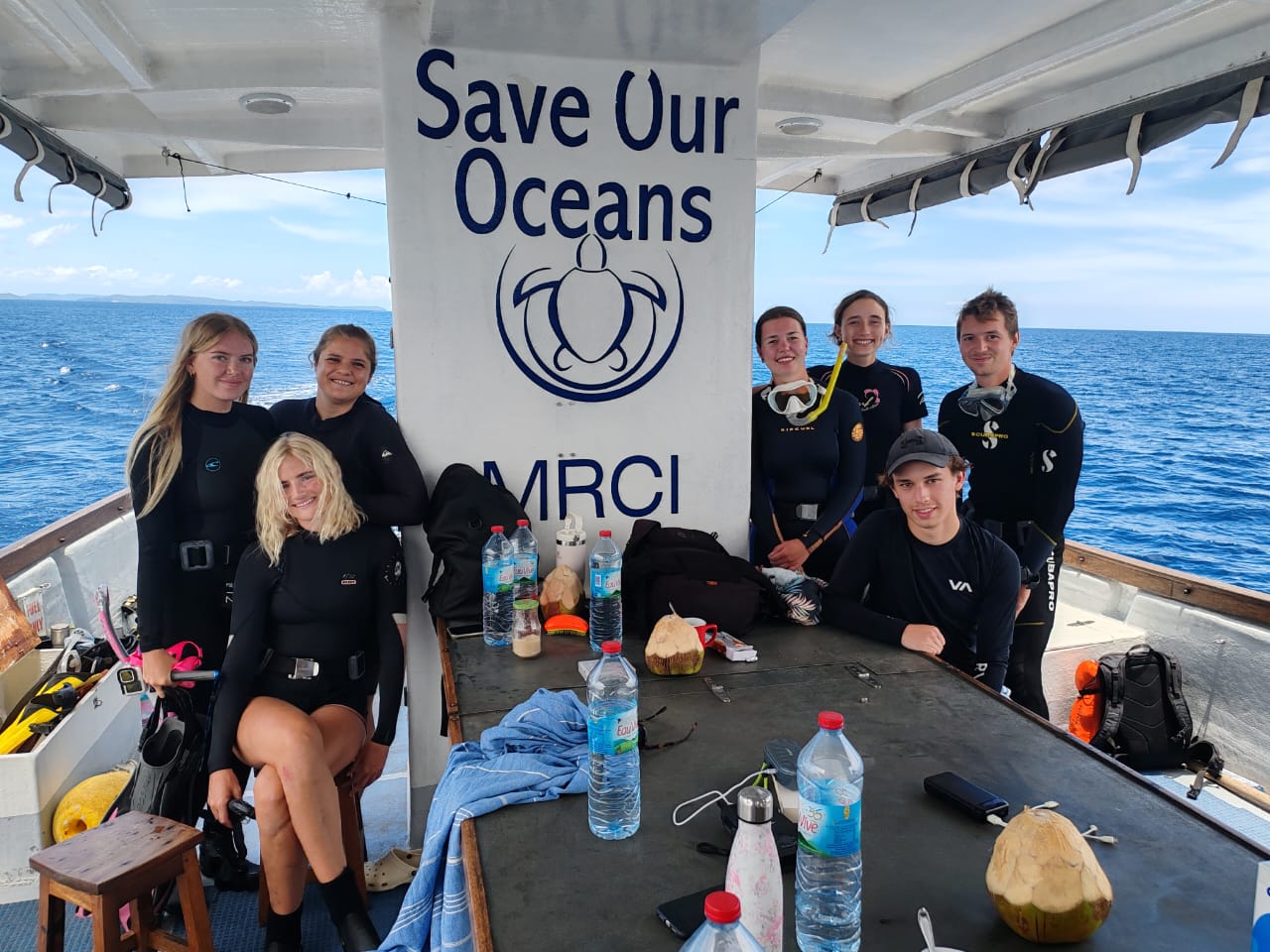
Founded in 2013, MRCI is a government-approved organisation in Madagascar working across environmental research, conservation, community development, medical assistance, and content creation. Its projects focus on marine, forest, and turtle conservation, alongside education and infrastructure support in remote villages. In partnership with international organisations, MRCI conducts long-term biodiversity monitoring and species protection initiatives on land and underwater. It also supports community health and education while providing a safe, inclusive space for global volunteers to contribute to sustainable development and conservation in Madagascar.
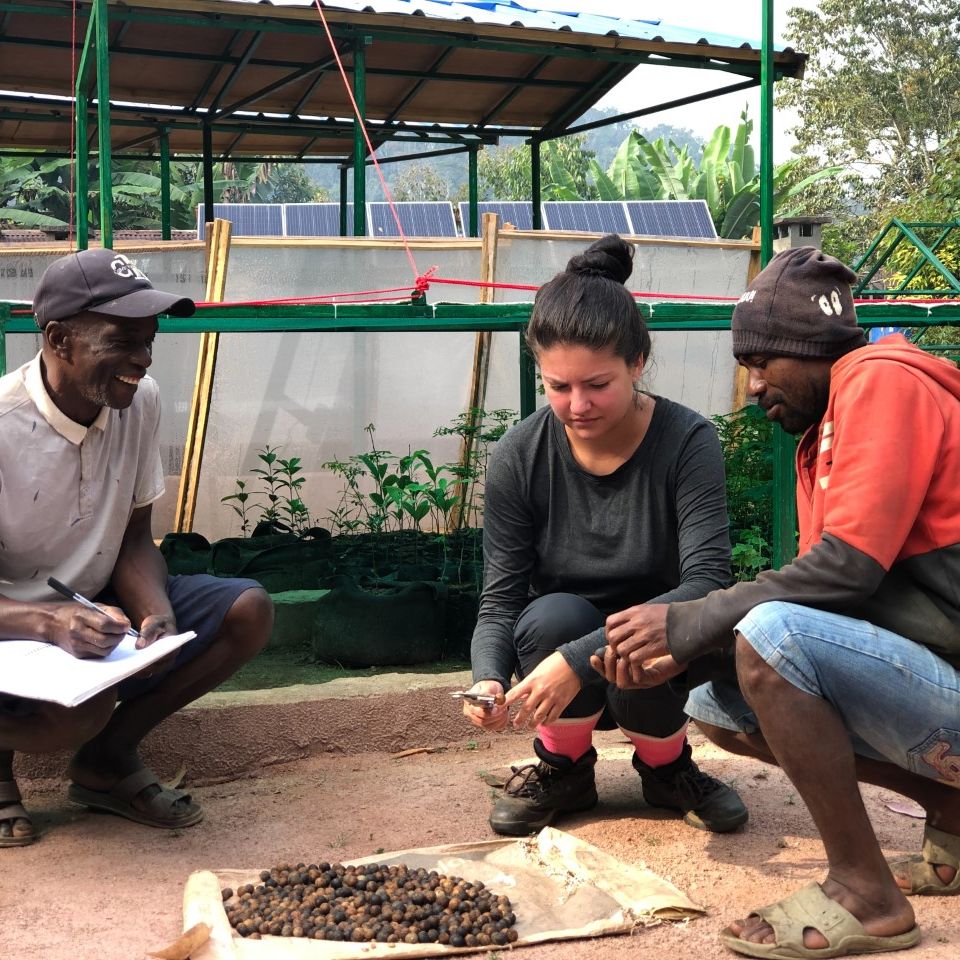
In 2010, Dr. Edward Louis, who has worked in Madagascar since 1998, established the Madagascar Biodiversity Partnership (MBP), a Malagasy non-governmental organization created to expand innovative conservation projects throughout the country. MBP is dedicated to protecting Madagascar’s unique forests and biodiversity while sustainably improving the quality of life for local communities that rely heavily on natural resources. Guided by the belief that “everything is connected,” or “Mampifandray ny tontolo,” MBP combines conservation, education, research, and community development to achieve long-term sustainability for both people and the environment. Through this volunteer program, MBP aims to support conservation research, community-based conservation, education, and outreach activities. Volunteers contribute to projects that help preserve the environment, support sustainable development, and strengthen local understanding of conservation challenges and solutions. MBP works closely with local communities to encourage environmental awareness, improve educational opportunities, and create empowerment initiatives that benefit residents living near conservation areas. Volunteers may assist with environmental education, research support, outreach programs, and other community-focused activities designed to create a lasting positive impact. The main project sites are located at Kianjavato Ahmanson Field Station (KAFS) in southeast Madagascar and the Grewcock Ihofa Vohitsara Bioreserve (GIVB) in central-east Madagascar. These areas are rich in biodiversity and provide volunteers with a unique opportunity to experience Madagascar’s natural beauty while contributing to meaningful conservation and community efforts.